
The Mower by Philip Larkin

The Mower
by Philip Larkin
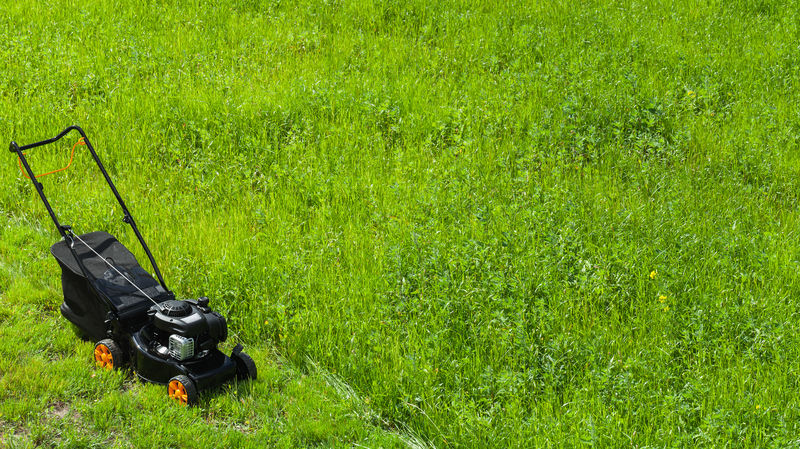
The mower stalled, twice; kneeling, I found
a hedgehog jammed up against the blades,
killed. It had been in the long grass.
I had seen it before, and even fed it, once.
Now I had mauled its unobtrusive world
unmendably. Burial was no help:
Next morning I got up and it did not.
The first day after a death, the new absence
is always the same; we should be careful
of each other, we should be kind
while there is still time.
I know people who do not read a lot of poetry think poems are odes to nature and "Casey at the Bat." I like odes to trees and Casey. I like nature poetry and non-nature poetry. And I really like nature poems in which the nature is suburban and the speaker might be a neighbor. Such it is with this Larkin poem.
As it is with the best nature poems, this one goes beyond the initial subject, which in this case is a hedgehog. Its death, especially because it was the speaker who caused it, allows the speaker to make a jump from hedgehog death to the death of loved ones.
It is not that large of a jump. For one thing, poems are all about making connections, and great poems often make connections between unlike things. Also, the speaker had cared for this hedgehog a bit: "I had seen it before, and even fed it, once."
Even a slight act of caring can make us feel bonded to someone or something else. Our pets and our plants, the creatures we feed in our yards with food, water, and pollinator plants. The charities we donate to. The bus seat we offer, the compliment we give to a stranger, the homemade cake we bring to work, and, of course, those we love dearly.
Larkin reminds us at the end of his poem to "be careful/of each other and "be kind."
The last line is a stark reminder that we need to show kindness and care "while there is still time." We understand what that means--how there is never enough with some loved ones, how we should not take time for granted, and how death can happen any time. Larken does not have his speaker stating any of these things. That would be hitting us over the head unnecessarily. What is not said in a poem can be as important as what is said. This does not mean anything goes, but what is implied, alluded to, and what the poet gently leads the readers to.
This poem is from Larkin's 2004 Collected Poems (Farrar Straus and Giroux); it was edited by Anthony Thwaite. He did not publish much during his lifetime, which I find amazing, as he wrote a great deal and is now much- read, admired, and loved. He was a librarian, something of a recluse, the author of 2 novels, a lover of jazz music, and someone not interested in accolades and attention. He died in 1985.


Comments