
Imagine This by Freya Manfred

Imagine This
by Freya Manfred
When you’re young, and in good health,
you can imagine living in New York City,
or Nepal, or in a tree beyond the moon,
and who knows who you’ll marry: a millionaire,
a monkey, a sea captain, a clown.
But the best imaginers are the old and wounded,
who swim through ever narrowing choices,
dedicating their hearts to peace, a stray cat,
a bowl of homemade vegetable soup,
or red Mountain Ash berries in the snow.
Imagine this: only one leg and lucky to have it,
a jig-jagged jaunt with a cane along the shore,
leaning on a walker to get from grocery to car,
smoothing down the sidewalk on a magic moving chair,
teaching every child you meet the true story
of this sad, sweet, tragic, Fourth of July world.

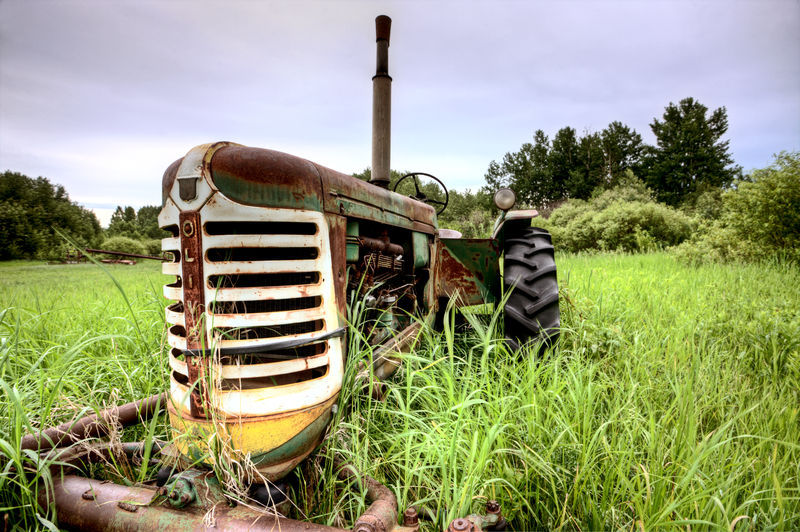
I know! This poem really does not really have anything to do with Independence Day in the United States, but "Fourth of July world" is the phrase/description that ends the poem so this photo seemed like a no-brainer.
This poem is from Freya Manfred's book, Speak, Mother (Red Dragonfly Press, 2015). Her other books include Swimming with a Hundred Year Old Snapping Turtle, Loon In Late November Water, and My Only Home, among other books of both poetry and prose.
So this not-about-Independence-Day poem is an amazing piece about aging, the changes it brings to the old, and the magical knowledge the elderly can impart on the young.
The first stanza tells us that the young and healthy can have wild and not-so-wild dreams for their future.
In stanza two, the speaker shifts to the elderly and their dreams, called imaginings here. These wishes are smaller due to "ever narrowing choices," and focus more on things that could actually come to fruition.
The first two stanzas are lists. The third stanza brings the poem into a smaller focus, a very specific person, perhaps the speaker herself. This person has just one leg, and we are given our last list in the ways this person gets around: cane, walker, wheelchair. These are, of course, also a progression many people who live long enough go through.
The last two lines:
teaching every child you meet the true story
of this sad, sweet, tragic, Fourth of July world.
If the job of older people is to teach "the true story" of the world, maybe the job of the young is to listen. I love how Manfred describes our world: sad, sweet, and tragic are great adjectives, tugging us this way and that. But Fourth of July as an adjective? Wonderful! It, too, encompasses many descriptors that may contradict each other, all while existing under the ceiling of fireworks and colors.
So take your stories and tell them, and be sure to include the sad, the sweet, and the tragic, and--most important--the truth.
See you Wednesday!


Comments