
After the Removal of 30 Types of Plants and Animals from the Junior Dictionary by Rose Mclarney
After the Removal of 30 Types of Plants and Animals from the Junior Dictionary
by Rose Mclarney
Acorn no more. Blackberry blanked out. Cheetah cast off.
But if no acorn, because the young will use language for nature less,
by that logic, no arousal, brief surge of blood that cannot continue
but lets lives be conceived. If no bluebell because flowers are fleeting,
no beauty to begin with for these bodies which wither. If no cygnet,
the downy being preceding permanent feathers, then no childhood
since those who are sheltered under a wing cannot stay, not the same.
As we might wish mother, many children’s earliest word, will always
be one they hold in mind, could we let their mouths keep
mistletoe, minnow, and magpie? Leave a few things intact,
allow the possibility of turning books’ pages in reverse
to lobster then leopard then lark, to the letter of last—of lasting—of live.
This poem was published in The Kenyon Review, May/June 2017.
The Oxford Children's Dictionary and the Oxford Junior Dictionary removed about 50 words connected to the natural world, some seen in the poem above, over the course of a few years, starting in 2007, replacing words--seen in italics in the poem above--with words from the words of technology and popular culture, like analog, broadband, and celebrity. When the 2012 edition maintain those changes, more people became aware of the omission of lobster, otter, and ox, among others. Also, studies had come out decrying the lack of animals and the natural world in contemporary children's literature and pointing to the ramifications of such absences.
Authors such as Terry Tempest Williams, Margaret Atwood, and Robert Macfarlane took notice. The dictionary's reasoning is that children are less likely to live in rural areas these days and need words that reflect the world around them. The petitions and outcries from people did not dissuade the OCD; the eliminated words were not reinstated. MacFarlane created a beautiful book (with Jackie Morris creating gorgeous illustrations) devoted to each natural thing the dictionary removed. It is called The Lost Words and you can buy it here and many other places.
The poem above is another protest against the move. Mclarney imagines the results of removing these nature words. For example, in the third stanza, she posits that taking the word cygnet out will lead to the demise of childhood--as word and as an actual life event.
If no cygnet,
the downy being preceding permanent feathers, then no childhood
since those who are sheltered under a wing cannot stay, not the same.
She makes the case for other words starting with "m" leading to mother, and that we should
Leave a few things intact,
because these nature words, such as lobster, leopard, and lark all point to the most important word for children to know: live.
This poem seems so simple, much like Charles Simic's poem about libraries, posted on Wednesday, yet--like his--there is so much complexity here, and such a deep notion about language and life. I love that the poet was able to take this topic and put it into such a beautiful plea for nature and language.
You can read some about the necessity for children to read and learn about animals and the natural world at the following links.
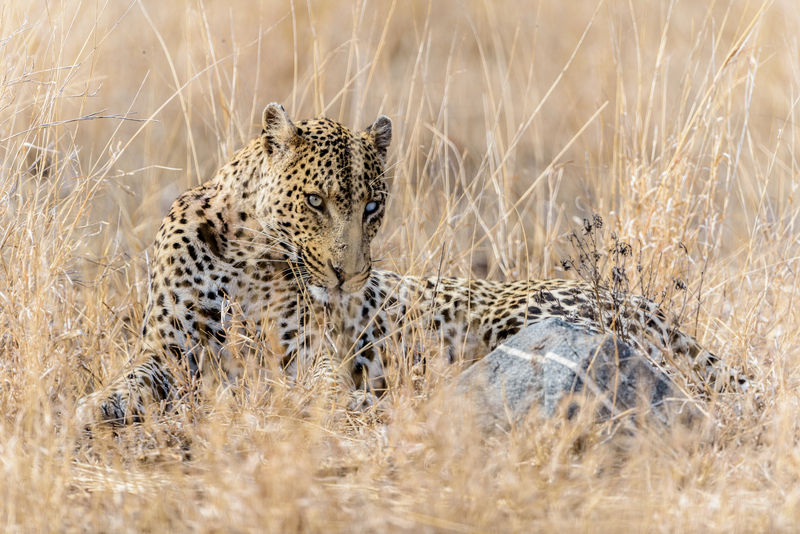
Learn more about leopards, pictured above at the African Wildlife Foundation.
The poet, Rose Mclarney, has a website so you can learn more about her and read more of her wonderful poems.


Comments